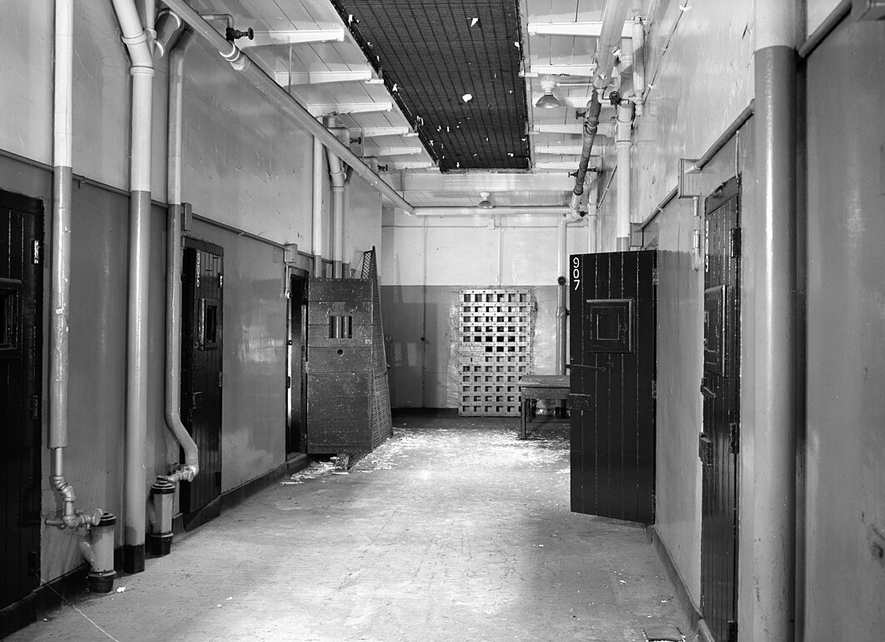
Former GCC Executive Director and current GCC Collaborator, John Lash, reflects on his time serving as a Circle Keeper and Restorative Justice educator over the first 5 cohorts of the Principles over Passion Program (PPP) at the Athens Clarke County Jail. PPP is led by Shane Sims, GCC Board Member and People Living in Recovery Executive Director. PPP is a structured 8-week course that supports jail inmates in recovery as they prepare for release as well as offering ongoing support once released. Participants live together in one cell block without oversight from a correctional officer. They participate in workshops ranging from addiction recovery, re-entry planning, artistic expression, workforce readiness, restorative justice and more.
What has been meaningful to you about this work?
Anytime that I get the opportunity to work with people caught up in the criminal justice system I feel that I am coming full circle on my journey to being a peacemaker. I know what it is like to be locked up and trying to make changes to yourself. It is not an easy path because so much of the situation is stacked against you, but it can also be an amazing opportunity because deep crises can provide us with motivation and provide insight into ourselves, our relationships, and the systems that we live in.
It is meaningful to me to form authentic relationships with the participants and to be there for them in a way that others were there for me when I was incarcerated. To me this means showing up as an equal party to the dialogue we are about to have. I have some skills and some ideas for structure and topics, but the main thing is that I know these folks have a deep knowledge of themselves and their communities, and that not only they, but we as a community, need their knowledge and their work in creating solutions.
The circle process helps us create the conditions where the groups’ values and needs determine a lot of our focus. It creates the space for circle members to express themselves, create mutual accountability and support, and do a deep analysis of how they came to be there and what to do next.
What do you see as the impact of the RJ work with the participants?
The use of RJ and of peacemaking circles puts the participants’ voices at the center of what we are doing and this supports their ownership of the overall program. What they are doing isn’t easy, and the circles give them a place to express what is really going on with no need to perform while also staying connected to the values that led them to volunteer for the program. The circles support them with belonging and acceptance, but also act as a reality and accountability check. This seems to support their work to be accountable not only for past actions, but for current and future choices.
What have you learned as a facilitator?
I think I continue to learn the lesson of letting go of certainty about how things will go exactly and trusting in the wisdom of the group and the robustness of the circle process as social technology. I have my own voice and experiences to share, and that matters, but I am not responsible for directing or carrying the whole circle to a certain destination. What I am responsible for is bringing the process with integrity while staying attuned to the people I am circling with.